Emergency Plumbing Guide: Steps to Take Before the Pros Arrive
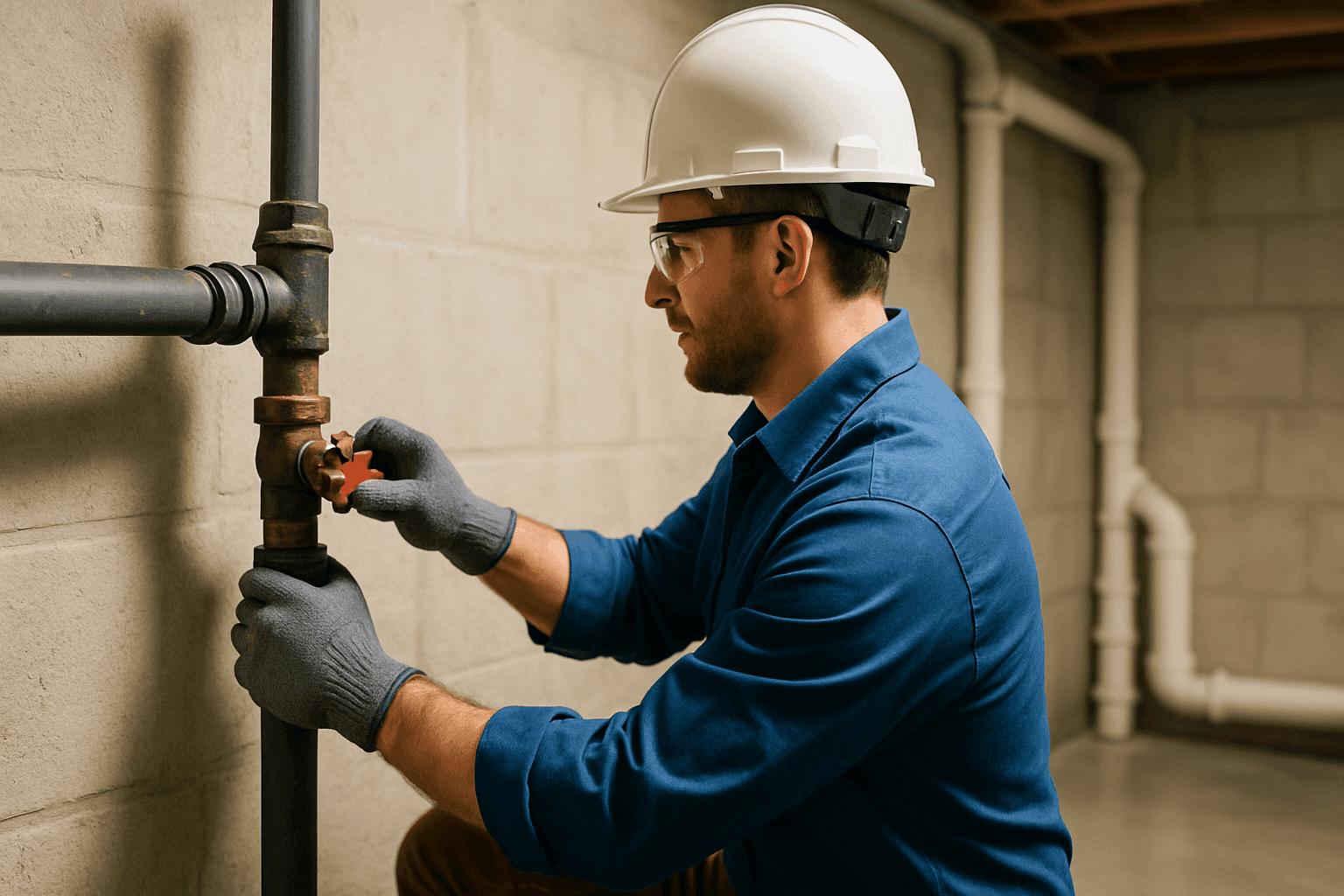
Emergencies don’t knock politely. They barge in—water pouring from the ceiling, toilets overflowing, or the air thick with the smell of gas. Whether you’re a homeowner or a property manager, that sinking feeling is universal. At Fix Plumbing, we know every second matters.
Before our licensed plumbers arrive, you can take crucial steps to limit damage, protect your property, and keep everyone safe. Here’s your plain-English guide for what to do, what to avoid, and when to call in the cavalry.
Recognizing a Plumbing Emergency 🚨
It’s not just about wet floors. Plumbing emergencies can threaten your safety and your building’s structure. Here’s what to look for:
- Burst Pipes: Sudden gushing water, soaked walls or ceilings, hissing or popping sounds.
- Overflowing Toilets: Rising water level, gurgling noises, or water spilling onto the floor.
- Gas Leaks: Rotten egg smell, hissing noises near appliances, dizziness or headaches indoors.
- Water Heater Failures: No hot water, strange banging or popping, leaks around the tank.
- Blocked Drains: Water backing up in sinks, tubs, or floor drains, sometimes with foul odors.
If it feels urgent, trust your gut. Water and gas don’t wait.
Quick Safety Checklist
When a crisis hits, keep calm and follow these steps:
- Shut Off the Water:
- Locate your main water valve (usually in the basement or near the water meter).
- Turn clockwise to close.
- Kill the Electricity:
- If water is near outlets or electrical panels, switch off power at the breaker box.
- Shut Off the Gas:
- For suspected gas leaks, turn off the supply at the main shutoff valve. Open windows and evacuate immediately.
- Clear the Area:
- Keep kids, pets, and non-essential people away from the affected area.
- Document the Damage:
- Take photos or videos for insurance. Capture the source, surrounding damage, and any standing water.
- Ventilate:
- Open doors and windows to reduce humidity and, in case of gas, to let fumes escape.
These steps can slow the chaos and make the scene safer for everyone—including the Fix Plumbing team when we arrive.
Temporary Fixes: What You Can Do (And What Not To)
Quick Fixes
- Burst Pipe:
- Wrap a towel or heavy cloth around the leak and secure with duct tape.
- Place a bucket underneath to catch water.
- Overflowing Toilet:
- Remove the tank lid and push the flapper down to stop water flow.
- Turn off water supply behind the toilet.
- Leaking Water Heater:
- Shut off the cold water inlet valve on top.
- Place a pan or towels to soak up water.
- Clogged Drain:
- Use a plunger (never a chemical cleaner on a full clog—it can make things worse).
- Gas Leak:
- Do NOT attempt any repair. Leave the building and call emergency services immediately.
What NOT To Do
- Don’t use electrical devices near standing water.
- Don’t try to solder, weld, or use open flames near leaks.
- Don’t flush toilets repeatedly if blocked.
- Don’t ignore the smell of gas—leave and call for help.
Hesitation can cause more harm than good. When in doubt, step back and wait for the pros.
DIY vs. Call a Pro: Knowing Your Limits
DIY is great for a leaky faucet or loose handle. Emergencies? Not so much.
Safe for DIY:
- Tightening a loose fitting
- Using a plunger for minor clogs
- Shutting off valves
Call Fix Plumbing if:
- Water won’t stop flowing
- You detect a gas smell
- Pipes burst or crack
- Sewage backs up into sinks or tubs
- Water heater leaks or won’t heat
- You’re unsure or feel unsafe
Professional plumbers don’t just fix the immediate problem. We check for hidden damage—behind walls, under floors, in crawl spaces—that DIY can miss.
What Pros Do On Arrival
When Fix Plumbing arrives, here’s what you can expect:
- Safety Assessment: We make sure the scene is safe for everyone.
- Leak Detection: Using specialized equipment to find hidden leaks.
- Shut-Off Confirmation: Double-checking valves and utilities.
- Repair or Stabilization: Applying industry-approved repairs—pipe replacement, drain clearing, fixture repair, and more.
- Restoration Guidance: Advice on drying, cleaning, and steps for insurance claims.
- Code Compliance: All work follows local building and safety codes, as recommended by organizations like the International Association of Plumbing and Mechanical Officials (IAPMO).
Prevention & Maintenance Tips
A little prevention beats a big repair bill.
- Regular Inspections: Schedule professional checks for water heaters, sump pumps, and plumbing lines.
- Insulate Pipes: Especially in cold climates, to prevent wintertime freezes and bursts.
- Know Your Main Shutoffs: Label valves and teach everyone at home or on staff.
- Watch What Goes Down the Drain: Grease, wipes, and coffee grounds can clog even the best pipes.
- Install Water Filtration Systems: Protects pipes from mineral buildup and improves water quality.
- Test for Backflow: Annual backflow testing keeps your water supply safe.
Stay a step ahead, and emergencies will have a harder time finding you.
Costs & Time Factors: What to Expect
Plumbing emergencies aren’t one-size-fits-all. Costs and repair times vary, but here’s what to know:
- Burst Pipes: Quick fixes may take an hour, but repiping can require several hours to a full day.
- Water Heater Failures: Minor repairs can be fast; full replacements may take half a day.
- Drain & Sewer Clogs: Clearing a simple clog is quick. Main sewer blockages or repairs take longer.
- Gas Leaks: Require immediate, specialized attention—never delay.
Insurance may help with major damage, especially if you’ve documented the scene. Always check your policy and file promptly.
When It’s an Emergency
How do you know it’s truly urgent? Here’s a simple rule: If water or gas is flowing where it shouldn’t—or your safety feels at risk—it’s an emergency.
Call Fix Plumbing immediately if:
- You can’t stop the leak.
- Water or sewage is backing up.
- You smell gas or hear hissing near pipes.
- You see sparks, feel heat, or notice burning smells near water heaters or boilers.
- The problem keeps returning or gets worse.
Don’t wait for “business hours.” Emergencies don’t keep a schedule.
FAQ
What should I do if I find a leak late at night?
Shut off your main water valve and electricity if water is near outlets. Document the issue, then call for emergency plumbing help. Fix Plumbing is always ready.
Can I use chemical drain cleaners during a clog?
Avoid them, especially if water is backing up. Chemicals can damage pipes and make the problem worse for plumbers (and your pipes).
What if my water heater is making loud noises?
Turn it off. Strange sounds can signal sediment buildup or failing parts. Call a plumber to inspect before it fails.
Is it safe to try and fix a gas leak myself?
Never. Leave the building and call emergency services. Only certified professionals should address gas line problems.
Local & Seasonal Considerations
Cold winters? Frozen pipes are a top cause of emergency calls. Prevent by insulating exposed pipes and keeping a trickle of water running during deep freezes.
During holidays, kitchen plumbing takes a beating—fat, bones, and leftovers can clog drains fast. Remind guests (and staff, for commercial spaces) what can safely go down the drain.
For businesses, routine plumbing inspections—especially before peak seasons—can fend off costly downtime. Investing in preventative maintenance now keeps surprises (and frantic calls) to a minimum later.
No one plans for a plumbing emergency, but you can plan your response. For urgent help, quick advice, or scheduled repairs, Fix Plumbing is just a call away.
Call Fix Plumbing now — or reach us anytime at 844-623-6444 .